


กับดักเหยื่อในอุดมคติ / The Perfect Victim Trap
ภายใต้ประตูทางกฎหมายที่ดูเปิดกว้าง แต่ยังมีอุปสรรคที่มองไม่เห็นอย่าง “การเลือกปฏิบัติ” และ
“มายาคติ” ที่ยังคงกดทับผู้เสียหายเพศหญิงอยู่ การอคติที่ซ่อนเร้นนี้เองที่เป็นสาเหตุให้ผู้เสียหายจำนวนมาก โดยเฉพาะผู้เสียหายเพศหญิงที่มีความเข้มแข็ง มั่นใจในตัวเอง และกล้าลุกขึ้นสู้ กลับถูกตีตราในสังคมเพียงเพราะบุคลิกของพวกเธอไม่สอดคล้องกับมายาคติเรื่อง “เหยื่อในอุดมคติ” (Perfect Victim) ที่สังคมคิดไว้ว่าต้องอ่อนแอ เจียมเนื้อเจียมตัว และไร้ทางสู้ จึงเกิดคำถามสำคัญที่ตามมาคือ เราจะปล่อยให้ความเชื่อเหล่านี้กัดกร่อนแก่นแท้ของความยุติธรรมต่อไปอีกนานเท่าไร?
เมื่อผู้เสียหายเพศหญิงก้าวเข้าสู่กระบวนการยุติธรรมไม่ได้แปลว่าเธอจะได้รับความเป็นธรรมเสมอไปเพราะความยุติธรรมมักถูกกั้นด้วยเพดานแก้วที่มองไม่เห็นที่ซึ่งก่อตัวจากการอคติทางเพศ การบิดเบือนมุมมองนี้ทำให้คุณค่าและความน่าเชื่อถือของผู้เสียหายเพศหญิงถูกลดทอนลง โดยเฉพาะอย่างยิ่ง ผู้หญิงที่มีอำนาจ มีสถานะทางสังคม หรือมีความมั่นใจในตัวเองสูง บุคลิกเหล่านี้มักถูกสังคมตั้งคำถามเพราะขัดแย้งกับภาพจำของเหยื่อในอุดมคติ ส่งผลให้การแสวงหาความยุติธรรมไม่ใช่เพื่อการพิสูจน์ความจริงทางคดีเพียงอย่างเดียว แต่กลายเป็นการต่อสู้กับมายาคติเพื่อให้ได้มาซึ่งความเป็นธรรมที่พวกเธอสมควรได้รับ
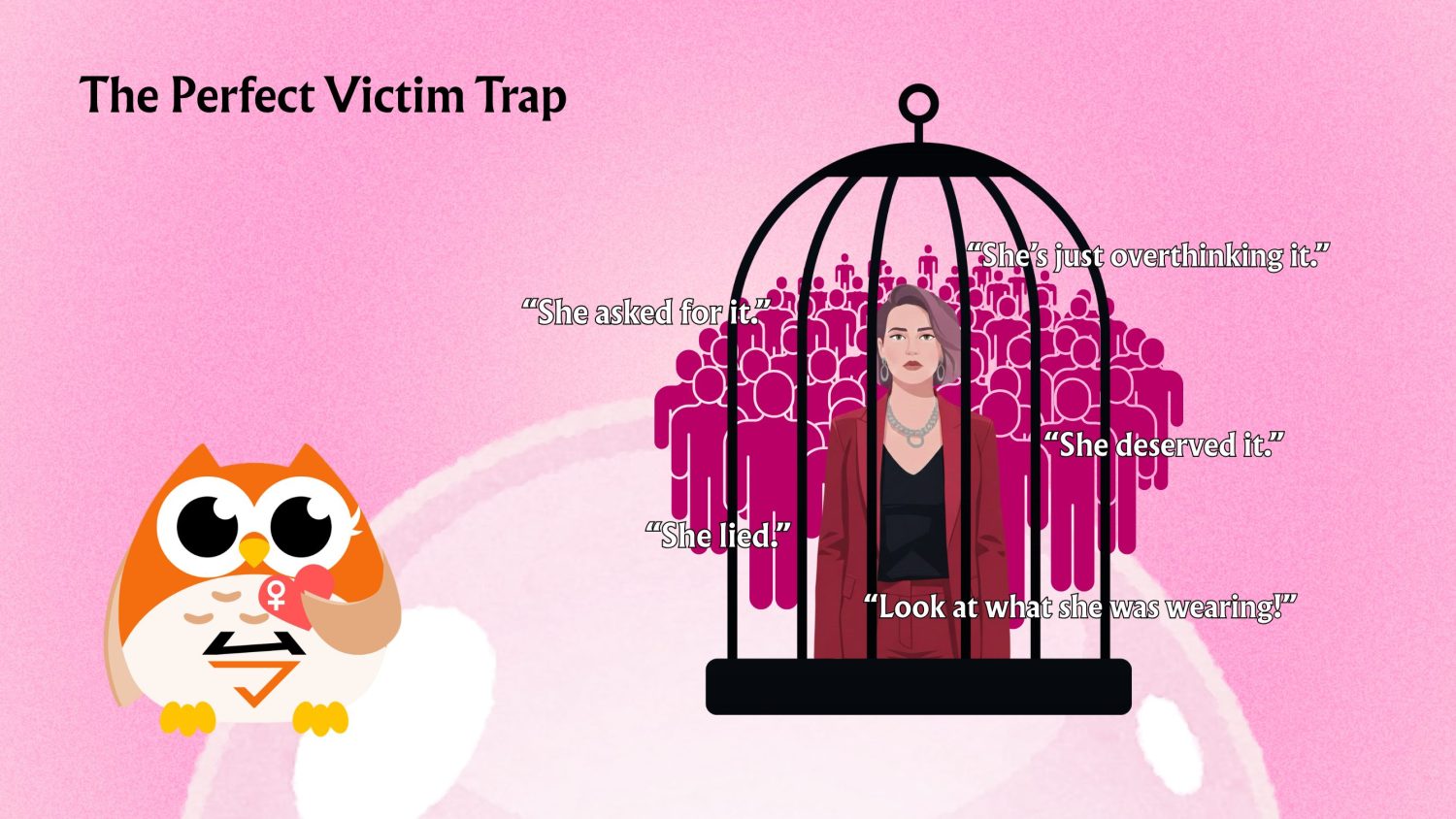
ตลอดระยะเวลาที่ผ่านมา สังคมไทยมักเพ่งเล็งไปที่ตัวผู้เสียหายเพศหญิงมากกว่าผู้กระทำผิด ไม่ว่าพวกเธอจะสวมใส่เสื้อผ้าแบบใด หรือมีสถานะเช่นไร พวกเธอมักต้องเผชิญกับ “ความเจ็บปวดซ้ำสอง” (Secondary Victimization) หากพวกเธอแต่งกายล่อแหลมหรือวาบหวิว สังคมจะตั้งคำถามกลับทันทีว่า “เป็นเพราะแต่งตัวแบบนั้นหรือเปล่า?” หรือหากพวกเธอถูกคุกคามทางจิตใจ ก็มักจะถูกมองว่าพวกเธอ “คิดไปเอง” ตราบใดที่ยังไม่มีร่องรอยการทำร้ายร่างกายที่ชัดเจน เมื่อผู้เสียหายเพศหญิงไม่ตรงตาม “ภาพจำ” สังคมจึงมักผลักภาระความผิดไปที่เหยื่อ (Victim Blaming) ด้วยคำพูดเช่น “ทำไมไม่หนีออกมา” หรือ “สมควรโดนแล้ว” ในทางตรงกันข้าม หากพวกเธอแสดงความอ่อนแอและเปราะบางตามความคาดหวัง สังคมจึงจะมอบความเห็นใจและยอมรับในฐานะ “เหยื่อในอุดมคติ” (Perfect Victim)
ปรากฏการณ์ดังกล่าวสะท้อนให้เห็นว่า ความเท่าเทียมทางกฎหมายยังไม่สามารถบรรจบกับความเท่าเทียมทางสังคมในบทบาทของเพศสภาพได้ เมื่อนำมาพิจารณาผ่านกรอบแนวคิด “ทฤษฎีเพศนิยมแบบแยกขั้ว” (Ambivalent Sexism) ของ Glick และ Fiske (2001) ทฤษฎีนี้ชี้ให้เห็นว่าการเหยียดเพศไม่ได้มีเพียงความเกลียดชังหรือความก้าวร้าวเท่านั้น แต่เปรียบเสมือนเหรียญสองด้านที่ทำงานร่วมกัน ได้แก่ ด้านเพศนิยมแบบปรปักษ์ (Hostile Sexism) ซึ่งทำหน้าที่ลงโทษ มองผู้หญิงในแง่ลบ และก้าวร้าวต่อผู้หญิงที่เก่ง กล้า หรือมีอำนาจที่ท้าทายขนบธรรมเนียมเดิม และ ด้านเพศนิยมแบบปกป้องเทิดทูน (Benevolent Sexism) ซึ่งให้รางวัล ยกย่อง และเชิดชูต่อผู้หญิงที่อยู่ในกรอบประเพณี แต่กลับแฝงด้วยนัยที่มองว่า ผู้หญิงเป็นเพศที่อ่อนแอกว่าและต้องพึ่งพาผู้อื่น
หากวิเคราะห์ผ่านเลนส์ของ “ทฤษฎีเพศนิยมแบบแยกขั้ว” (Ambivalent Sexism) เราจะเห็นกลไกการทำงานที่ชัดเจน โดยในด้านเพศนิยมแบบปรปักษ์ (Hostile Sexism) การอคติเชิงลบนี้จะแสดงออกผ่านการตั้งคำถามที่รุนแรงและโจมตีต่อผู้หญิงที่เข้มแข็ง และมองว่าการเรียกร้องความเป็นธรรมของพวกเธอคือการ “เรียกร้องความสนใจ” หรือ “เล่นใหญ่เกินจริง” ส่วนในด้านเพศนิยมแบบปกป้องเทิดทูน (Benevolent Sexism)
การอคติเชิงบวกที่ซ่อนเร้นนี้จะทำงานผ่านความเชื่อที่ว่าผู้หญิงต้องได้รับการปกป้องดูแลเพราะพวกเธออยู่ในฐานะเพศที่อ่อนแอ จึงนำไปสู่การมองข้ามความรุนแรงทางอารมณ์ หรือการที่สามีควบคุมภรรยานั้นกลับถูกมองว่าเป็นเพียงเรื่องในครอบครัว หรือกระทำไปเพราะความห่วงใย จึงทำให้ความเสียหายของผู้ถูกกระทำถูกลดทอนความสำคัญลง
อย่างไรก็ดี การจะก้าวข้ามกับดักอคติทางเพศแบบแยกขั้วนี้ จำเป็นต้องอาศัยการตระหนักรู้ของคนในสังคมเพื่อถอดรหัสมายาคติที่กดทับผู้หญิง ทั้งในรูปแบบของการเหยียดหยามและการปกป้องที่เกินพอดี เราต้องเรียนรู้ที่จะรับฟังเสียงของผู้ถูกกระทำโดยไม่ตัดสินจากเปลือกนอก หรือคาดหวังความอ่อนแอเพื่อแลกกับความเห็นใจ เพราะความยุติธรรมไม่ควรเป็นรางวัลสำหรับผู้เสียหายเพศหญิงที่ประพฤติตัวเป็นไปตามที่คาดหวังของสายตาสังคม แต่เป็นสิทธิขั้นพื้นฐานที่มนุษย์ทุกคนพึงได้รับไม่ว่าพวกเธอจะมีบุคลิกที่เข้มแข็งหรือเปราะบางเพียงใดก็ตาม
English version
Even though the doors of justice seem open, there are still invisible barriers like “discrimination” and “myths” that oppress female victims. This hidden bias is the cause of many victims, especially female victims who are strong, confident, and dare to stand up for themselves. They are often stigmatized by society, simply because their personalities do not match the myths of the “Perfect Victim” that society has envisioned, which someone must be fragile, modest, and helpless. This raises a crucial question: How long will we let these beliefs rot the core of our justice system?
When a female victim enters the justice system, it does not always mean she will receive fairness. Justice is often blocked by an invisible glass ceiling formed by gender bias. This distorted perspective diminishes the value and credibility of female victims, particularly women who are powerful, high-status, or self-confident. These traits are often questioned by society because they conflict with the image of the ideal victim. Consequently, the pursuit of justice is not just about proving the facts of the case, but becomes a struggle against these myths to obtain the fairness they deserve.
For a long time, Thai society has tended to scrutinize the female victim more than the offender. No matter what the victim was wearing or her social status, she often faces “Secondary Victimization”. If she dresses confidently, people will ask, “Was it because of how she dressed?” Or, if she is emotionally harassed, she will often be dismissed as “she’s just overthinking it.”, as long as there are no clear physical injuries. When a female victim does not fit the “image”, society often shifts the burden of fault onto the victim (Victim Blaming) with the blame shifting to her: “Why didn’t you just leave?” or “She deserved it.” On the other hand, if they show weakness and fragility as expected, society will grant sympathy and accept them as the “Perfect Victim”.
This phenomenon reflects a massive gap between legal equality and the social reality of gender roles. This leads to an analysis under the invisible glass ceiling of gender bias, especially through the lens of “The Ambivalent Sexism Theory” (Glick & Fiske, 2001). This theory suggests that sexism is not just about hatred or aggression, but it works like two sides of a coin: Hostile Sexism, which punishes, views women negatively, and is aggressive toward competent, brave, or powerful women who challenge the traditional norms, and Benevolent Sexism, which rewards, praises, and compliments women who stay within traditional frameworks, but subtly implies that women are the weaker sex and must rely on others.
Analysing through the lens of Ambivalent Sexism Theory, we can clearly see the mechanism at play, in terms of Hostile Sexism, negative bias is expressed through severe questioning and attacks on strong women. Their demand for justice is seen as “attention-seeking” or “over-dramatizing.” Meanwhile, Benevolent Sexism appears positive on the surface, but operates through the belief that women must be protected and cared for because they are the weaker sex. This leads to overlooking emotional violence, or seeing a husband controlling his wife as just a family matter or done out of concern, thereby minimizing the harm of the female victims.
However, overcoming this trap of ambivalent gender bias requires societal awareness to decode the myths oppressing women, whether in the form of humiliation or excessive protection. We must learn to listen to the voices of the victims without judging their appearance or expecting weakness in exchange for sympathy. Because justice should not be a prize for female victims who behave according to societal expectations, but every human being deserves fundamental rights, regardless of how strong or fragile they might be.
บทความเผยแพร่ โครงการ Violence Through Different Lenses: กิจกรรม “Unpacking Violence Against Women: “ถอดรหัสความรุนแรง สู่ความยุติธรรมทางเพศ” โดย ชลันตา วิบูลย์วงศ์
Rollero, C., & Tartaglia, S. (2019). The effect of sexism and rape myths on victim blame. Sexuality & Culture: An Interdisciplinary Quarterly, 23(1), 209–219. https://doi.org/10.1007/s12119-018-9549-8

ฮูกฝึกงาน
ฮูกระดับน้อง